

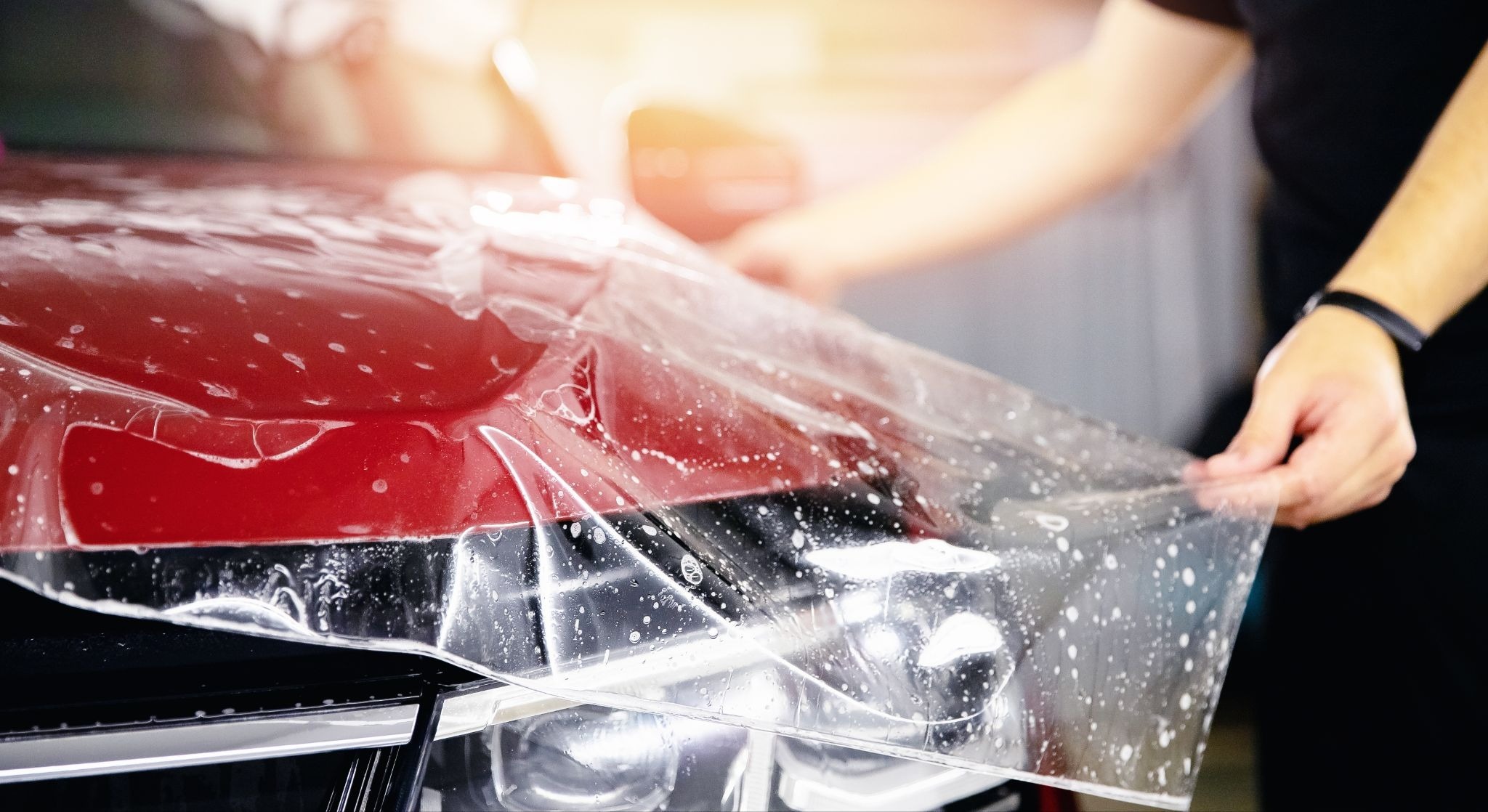
Jacksonville and the surrounding area is genuinely hard on car paint. Between the coastal humidity, UV intensity, two love bug seasons per year, and the debris that flies off trucks on I-95 and I-10, your paint faces a daily assault that wax and hope simply can’t handle. Paint protection film (PPF) has emerged as the most physically robust solution available, but it comes with a real price tag. So the question stands: is paint protection film worth it, or is it a luxury expense?
This guide breaks down exactly what PPF does, how much it costs, what it protects against in North Florida’s specific climate, and how to decide which level of coverage makes sense for your vehicle.

What Is Paint Protection Film, Exactly?
Paint protection film is a transparent, high-performance urethane film applied directly to your vehicle’s painted surfaces. Think of it as a sacrificial layer, one that takes the impact from rock chips, scratches, and environmental contaminants so your factory paint doesn’t have to.
Modern PPF goes well beyond a basic clear bra. XPEL’s current film, which Detail Geex uses exclusively, features a self-healing topcoat that allows light swirl marks and minor scratches to disappear with heat exposure (either from the Florida sun or warm wash water). Once cured, the film bonds tightly to your vehicle’s contours, remaining virtually invisible while providing physical impact resistance that no wax, sealant, or ceramic coating can replicate.
Unlike ceramic coatings, which enhance gloss and repel contaminants chemically, PPF provides genuine mechanical protection against the debris that makes North Florida roads so punishing.
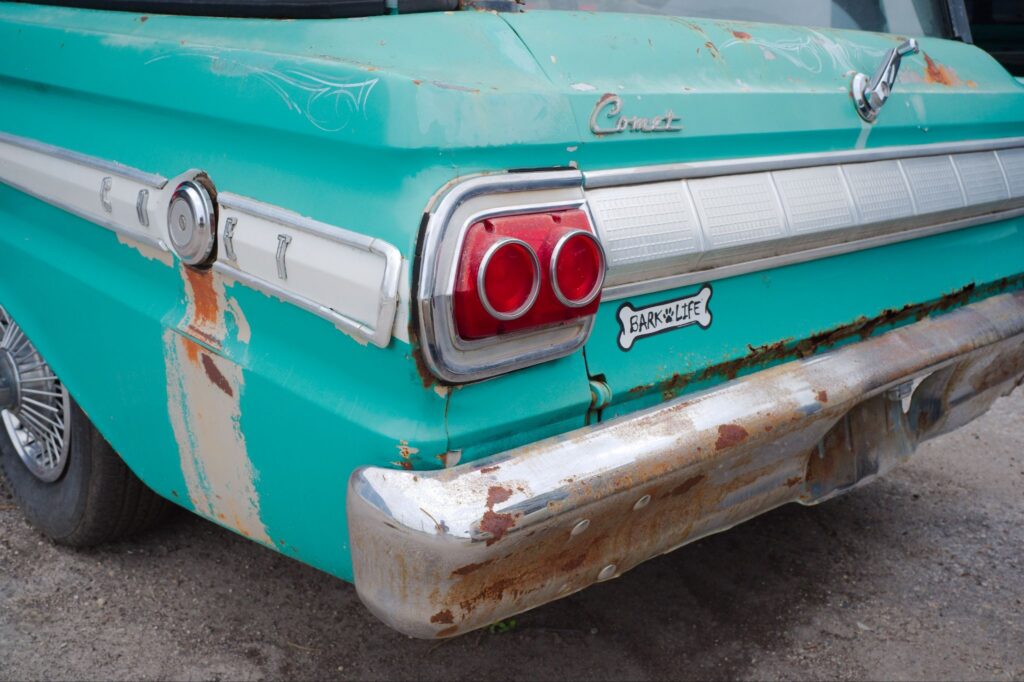
Paint Protection Film Jacksonville: Why Local Climate Changes the Calculus
- UV Intensity: Blocks high-ranking Florida UV rays to prevent clear coat fading and oxidation.
- Salt Air: Seals paint surfaces to eliminate corrosion entry points common in coastal metros.
- Love Bug Season: Provides an acidic-resistant barrier against seasonal insect etching.
- Highway Debris: Protects front-end panels from gravel and asphalt common on I-95 and I-10.
- Humidity: Maintains a sealed finish to prevent high ambient moisture from accelerating paint deterioration.
The Financial Case: Cost vs. Value Over Time
PPF’s upfront cost often prompts hesitation. At Detail Geex, packages range from the Geex Essential Protection at $995+ (front bumper and headlights) up to the Geex Complete Protection at $4,495+ for full-body coverage with a 10-year XPEL manufacturer warranty. The Geex Premium Shield (full front end including hood, fenders, mirrors, and headlights) starts at $2,195+, while the Geex Performance package: adding rocker panels, A-pillars, and a roof strip…starts at $3,195+.
Compare that to what unprotected paint costs to repair. A professional single-panel repaint runs between $300 and $1,200. A full hood respray at a quality shop can run several hundred dollars alone. Full professional repaints range from $1,500 to $4,000 or more. One rock chip in the wrong place on a new vehicle can demand an immediate repair to prevent rust, and the cumulative cost of multiple paint repairs over a five to seven-year ownership period often exceeds the original PPF investment.
Beyond repair avoidance, protected paint commands stronger resale value. A chip-free hood and factory-condition paint signal careful ownership to buyers, and clean, protected vehicles photograph better, sell faster, and give sellers less room for negotiation from buyers flagging paint condition.
On a per-year basis, a $2,195 front-end package spread across a 10-year XPEL warranty period works out to roughly $220 per year, less than most single paint correction services.
Paint Protection Film Benefits Beyond Money
The financial math is compelling, but PPF’s non-financial advantages matter just as much to many owners.
- Self-healing surface: Light swirl marks from automated car washes and contact scratches disappear with heat, keeping the film’s appearance consistent over time
- Maintained gloss: XPEL’s optically clear film preserves the depth and color of your factory paint without altering its appearance
- Easier maintenance: The hydrophobic surface sheds water, road grime, and bug splatter with minimal effort, reducing the time and products needed for regular washes
- Peace of mind: Driving a new or well-maintained vehicle through Jacksonville’s construction zones and coastal roads without anxiety over paint damage is a benefit that’s hard to overstate
- Ideal Timing: Applying film to new cars immediately after purchase prevents damage from even a single highway trip.
- Strategic Coverage: Prioritizing high-impact zones like the front bumper, hood, fenders, mirrors, and headlights ensures maximum protection where it is needed most.
PPF vs. Ceramic Coating vs. Doing Nothing
| PPF | Ceramic Coating | No Protection | |
| Physical impact resistance | ✅ Yes | ❌ No | ❌ No |
| UV protection | ✅ Yes | ✅ Yes | ❌ No |
| Hydrophobic surface | ✅ Yes | ✅ Yes | ❌ No |
| Self-healing | ✅ Yes | ❌ No | ❌ No |
| Enhanced gloss | Maintains factory gloss | ✅ Enhances gloss | Degrades over time |
| Lifespan | Up to 10 years | 1–8 years (package-dependent) | N/A |
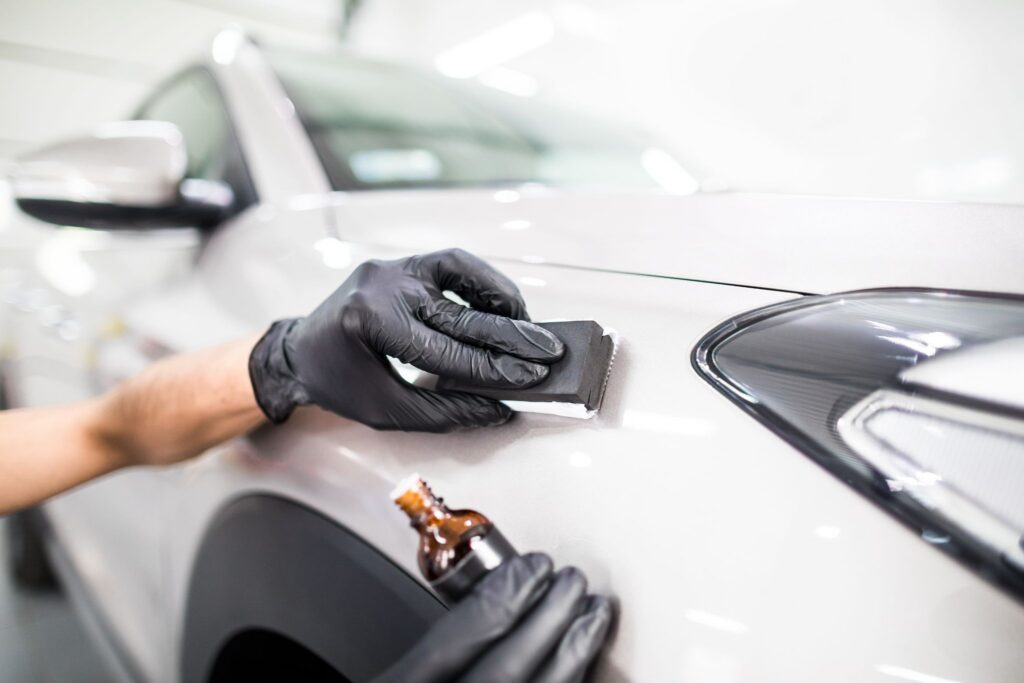
Many Detail Geex clients combine both PPF and ceramic coating. PPF handles physical protection on high-impact areas; ceramic coating delivers enhanced gloss, hydrophobic performance, and UV resistance across the full vehicle. The two products are complementary, not competing.
How Long Does PPF Last and What Does Maintenance Look Like?
XPEL PPF carries a 10-year manufacturer warranty covering yellowing, cracking, blistering, and delamination. Many professionally installed applications last the full warranty period or beyond with basic care.
Proper PPF maintenance is straightforward. Wash with pH-neutral soap, avoid abrasive products and high-pressure spray directly at film edges, and clean love bugs and bird droppings promptly given their acidic properties. The self-healing topcoat handles minor surface marks automatically, reducing the need for polishing. Detail Geex installs all PPF inside a fully climate-controlled facility, which ensures clean adhesion and consistent curing…two factors that directly affect how long the film performs.
Is Paint Protection Film Worth It? The Bottom Line
For Jacksonville drivers planning to keep their vehicles for several years, the answer is clearly yes. Paint protection film prevents the kind of cumulative paint damage that results in expensive repair bills, reduced resale value, and a car that looks years older than it actually is. Florida’s combination of UV intensity, salt air, love bug seasons, and highway debris makes that case stronger than it would be in most other markets.
Ultimately, PPF is a cost-effective investment that prevents repair bills, preserves resale value, and keeps factory paint looking flawless for years by absorbing rock chips, road debris, UV damage, and chemical contamination.
The right level of coverage depends on your vehicle’s value, how long you plan to own it, and which areas see the most exposure. Detail Geex’s tiered package structure, from targeted front-end protection to full-body coverage, makes it straightforward to match investment level with genuine risk.
Protect Your Paint Before the Damage Happens
Detail Geex is Jacksonville’s XPEL Authorized Dealer and Certified Installer, applying PPF exclusively in a fully indoor, climate-controlled facility designed to eliminate the contamination and environmental variables that compromise lesser installations. Serving Jacksonville, Jacksonville Beach, Ponte Vedra Beach, Nocatee, Fleming Island, and surrounding areas.
Explore Detail Geex PPF packages or request a free quote to find the right level of protection for your vehicle.