

TL;DR: Ceramic coating and car wax both protect vehicle paint, but they differ significantly in durability, protection level, and long-term cost. Ceramic coating forms a semi-permanent chemical bond that lasts 1–8 years, while wax is a sacrificial topical layer that lasts weeks to months. For drivers who want serious, long-term paint protection, ceramic coating is the stronger choice.
Car wax has been the default paint protection method for decades, and for good reason. It’s affordable, accessible, and gives a satisfying shine. But ceramic coating has changed the standard for what paint protection can actually deliver. This post breaks down the two options side by side, covering longevity, gloss, protection, and maintenance, so you can make a clear-headed decision about what your vehicle actually needs.
The Basics: Wax vs. Ceramic Coating
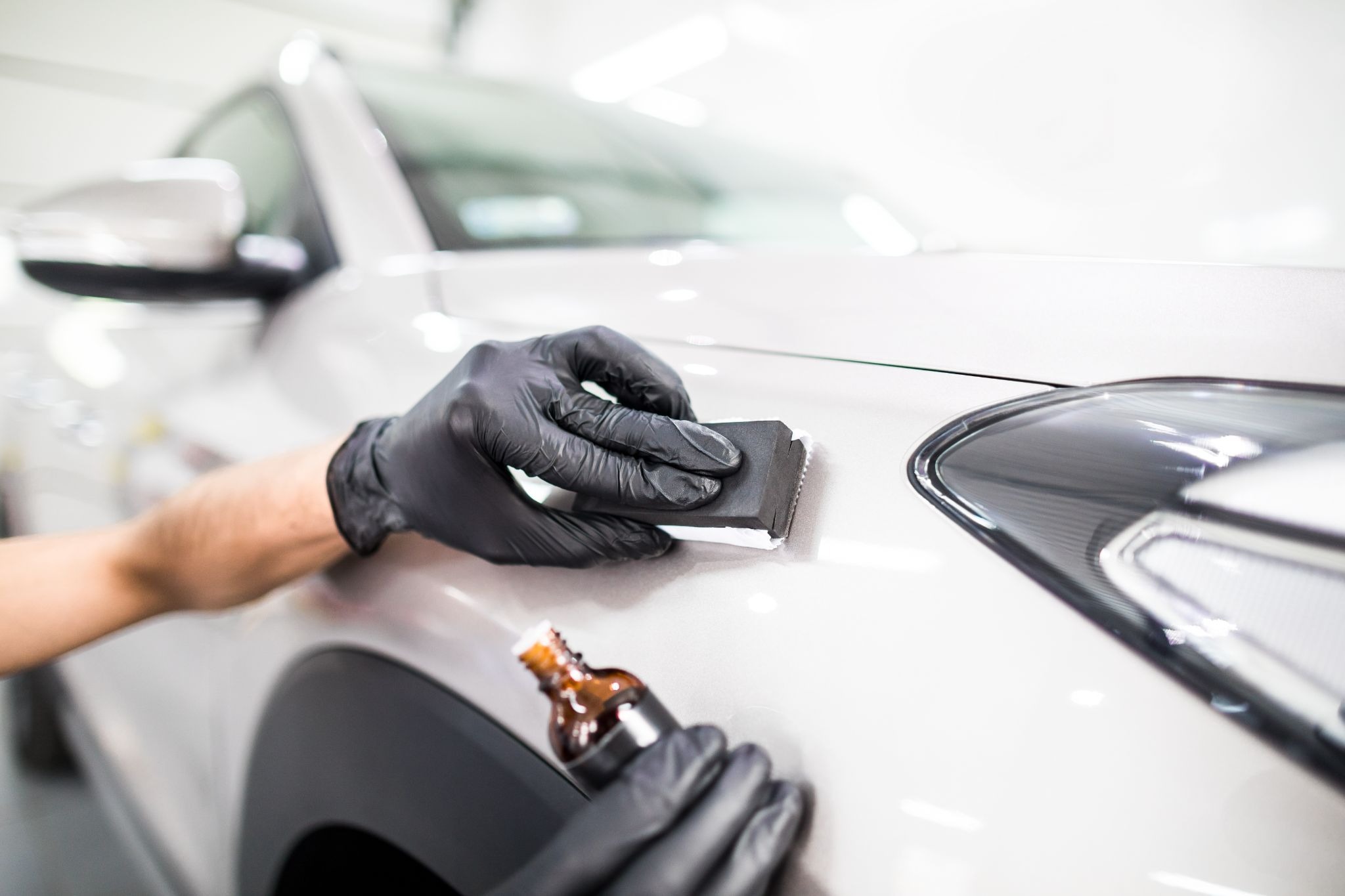
Car wax is a topical sacrificial barrier made of carnauba or synthetic polymers that sits on top of the clear coat, typically lasting 1–6 months. In contrast, ceramic coating is an SiO2 liquid polymer that chemically bonds to the paint. This structural difference makes ceramic coating fundamentally more durable, creating a semi-permanent hard layer that resists environmental damage at a level wax cannot replicate.
Ceramic Coating vs Wax: Longevity
This is where the gap between the two options becomes impossible to ignore.
| Feature | Car Wax | Ceramic Coating |
| Durability | 4 weeks – 6 months | 1 – 8 years |
| Reapplication | Monthly to quarterly | Every 1 – 8 years |
| DIY Product Cost | $15 – $30 | Not recommended |
| Professional Cost | $50 – $100 per application | $699 – $4,299+ (one-time) |
| Bond Type | Topical / sacrificial | Semi-permanent chemical bond |
A professional ceramic coating applied at Detail Geex, such as the XPEL Fusion Plus packages, starts at $699 for a 1-year application and scales up to an 8-year premium coating. Over time, the cost-per-year difference between wax and ceramic coating narrows considerably when you account for repeated labor, product purchases, and the protective value delivered.

Gloss & Finish: Which Looks Better?
Wax is celebrated for its warm, deep, candy-like gloss, a look that many enthusiasts still prefer. Ceramic coating produces a high-gloss, glass-like finish that enhances the depth and clarity of the paint. The visual difference is largely a matter of preference, but the ceramic finish maintains its appearance far longer without the need for constant reapplication. The idea that wax always looks better is largely a myth; a properly applied ceramic coating delivers a consistently polished result week after week.
Why Choose Ceramic Coating?
Ceramic coating offers superior protection and long-term value by creating a permanent hydrophobic shield against the elements. Key benefits include:
- UV rays and oxidation, especially relevant in Jacksonville, FL, where intense year-round sun exposure accelerates paint fading and clear coat degradation
- Salt air and road contaminants: the coastal environment around Jacksonville Beach and Ponte Vedra Beach means vehicles are regularly exposed to salt-laden air that accelerates corrosion
- Acidic contaminants, such as bird droppings, tree sap, and industrial fallout, can etch bare paint within hours; ceramic coating’s chemical resistance significantly reduces that risk
- Surface scratches, given that the hardened SiO2 layer adds surface hardness that wax, as a soft topical product, cannot provide
- Enhanced Value & Efficiency: beyond protection, it preserves resale value, reduces maintenance time through self-cleaning properties, and eliminates the need for frequent professional detailing or reapplication.
Maintenance: Day-to-Day Differences
Ceramic coating’s hydrophobic properties cause water, dirt, and grime to bead off the surface rather than bonding to the paint. This self-cleaning effect means regular hand washes with a pH-neutral shampoo are enough to keep the vehicle looking sharp. Wax, by contrast, requires more frequent attention, both to maintain its protective layer and to keep the finish looking fresh. Less washing friction also means fewer swirl marks introduced over time, which is a meaningful long-term advantage.
Is There Still a Case for Wax?
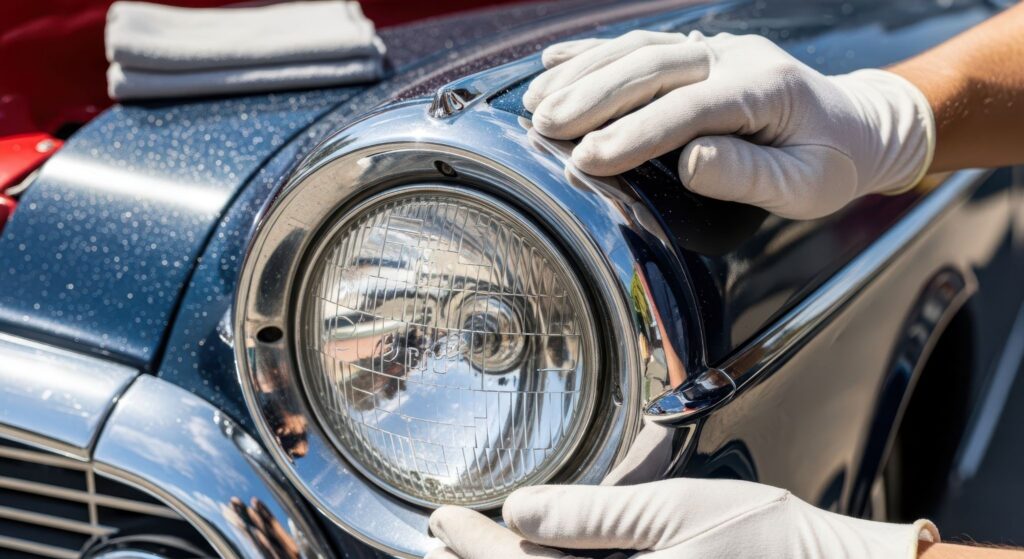
Yes, in specific situations. Wax is a reasonable choice for a budget-conscious driver who enjoys hands-on detailing as a hobby. It also works as a supplemental layer on top of a ceramic coating to add a warmer visual depth to the finish. For occasional use vehicles, classic cars with original paint, or short-term protection between professional services, wax remains a practical option.
Ceramic Coating vs Wax: The Verdict
Measured by durability, protection depth, and long-term value, ceramic coating outperforms wax vs ceramic coating in every meaningful category. Wax is easier to apply yourself and cheaper upfront, but those advantages shrink quickly when factoring in reapplication frequency and the protection gap. For Jacksonville drivers contending with UV exposure, salt air, and acidic contaminants year-round, ceramic coating isn’t just a luxury; it’s a sound investment in preserving a vehicle’s appearance and value.
Protect Your Paint the Right Way with Detail Geex
Detail Geex is a certified XPEL installer serving Jacksonville, Jacksonville Beach, Ponte Vedra Beach, Nocatee, and Fleming Island. Every ceramic coating is applied inside a fully climate-controlled indoor facility with no humidity, no dust, and no compromises.
Ready to protect your vehicle with a professional ceramic coating? View Detail Geex’s ceramic coating packages or call 904-574-4339 to schedule your appointment.
Frequently Asked Questions
How does the cost compare?
While wax is cheaper upfront ($15 – $100), professional ceramic coating ($699+) is a one-time investment that lasts up to 8 years. When factoring in the frequency of wax reapplications, ceramic coating often proves more cost-effective over the life of the vehicle.
Can you apply wax over ceramic?
Yes, many enthusiasts apply carnauba wax over a coating to add visual warmth. However, ensure the wax is non-abrasive to avoid interfering with the coating’s hydrophobic performance.
Is professional application necessary?
While DIY kits exist, professional installation ensures proper paint decontamination and machine polishing. Certified installers like Detail Geex use industrial-grade products like XPEL Fusion Plus in controlled environments to guarantee maximum bonding and longevity.