01
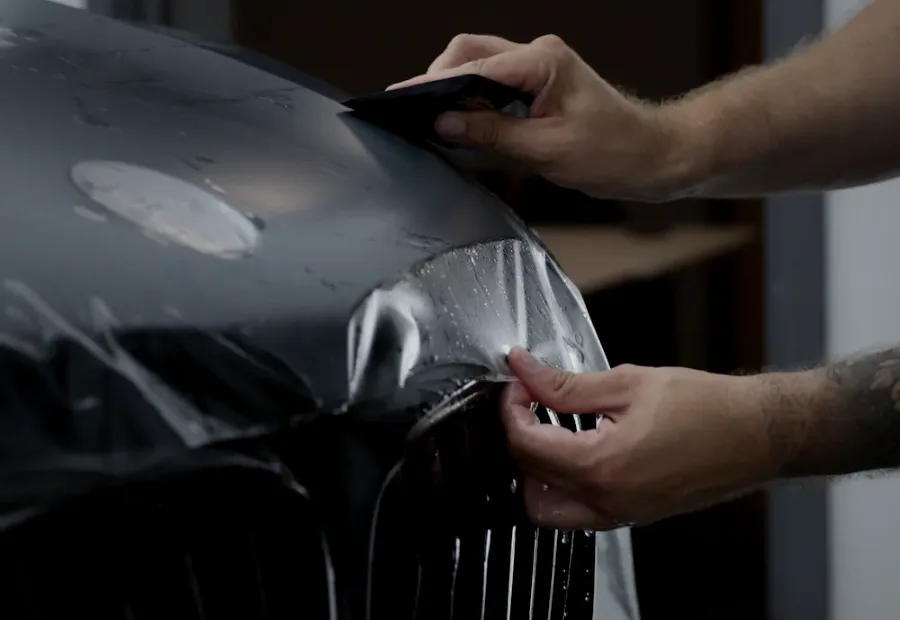
Paint Protection Film
The Front End package covers bumper, hood, fenders, mirrors and headlights against chips and UV.
Learn moreHeadlight Restoration in Jacksonville, FL
Hazed headlights scatter your light sideways instead of down the road. Cut, buffed and polished back to factory clarity, then sealed with an XPEL ceramic coating.
What it actually is
Modern headlights are polycarbonate. It is tough and light and it does one thing glass never did — it oxidizes in sunlight. Which is why cleaning a yellow lens achieves nothing at all.
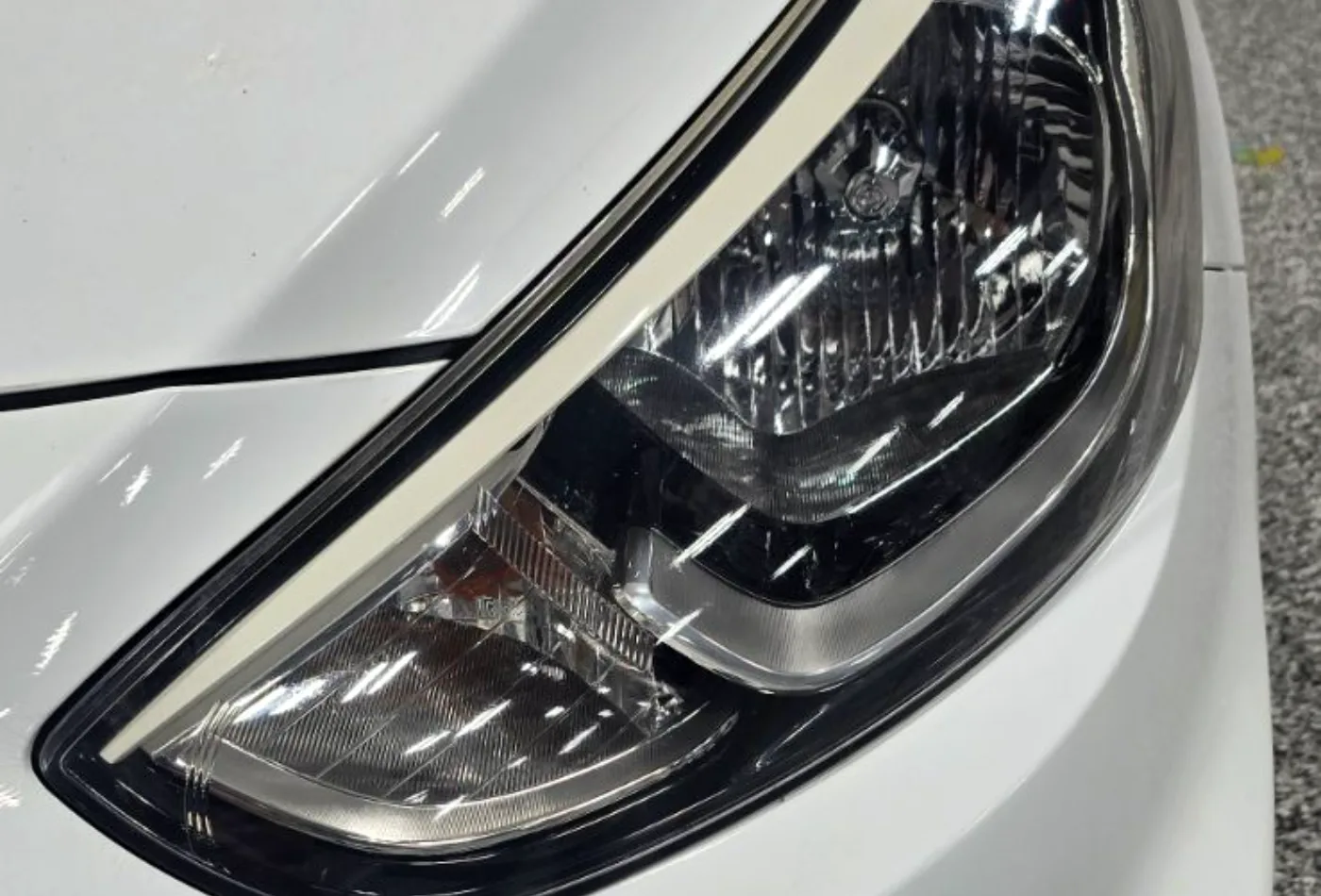
The polishing is the visible half of the job and the coating is the half that decides how long it lasts. A lens polished and left bare has no UV protection at all — it is more exposed than it was before, and it hazes again faster.
Precision cutting and buffing removes the oxidized layer. Anything that only fills or glosses it over is clear for a few weeks.
Worked until the lens reads clear rather than merely shiny, because a shiny hazed lens still scatters light.
A protective coating goes on afterwards. It repels water, dirt and contaminants and takes the UV that the factory layer used to.
Entirely inside the climate-controlled bay. Polishing plastic in sun and dust is how you end up with swirls in a lens.
Scope
No flat price on this one — a pair of lightly hazed lenses and a set that has been baking in Florida sun for a decade are different jobs.
Quoted from the actual lenses — how far the oxidation has gone, whether either has been polished before, and the condition of the housing behind it.
Polished, or polished and coated
Both look clear the day you collect the car. The difference shows up in the months afterwards.
Doing the front end anyway? Lenses can be covered with paint protection film instead on some vehicles — ask when you book.
Explore paint protection filmThe process
The first three make it clear. The fourth is what makes it stay clear.
Surface haze and deep oxidation are different amounts of work, and a lens that has been polished before has less material to give. We look before we quote.
Precision cutting removes the degraded plastic rather than filling it. This is the step that decides whether the result lasts or looks good for a month.
Buffed and polished until the lens is clear through and both sides match. Done indoors, so nothing lands in the surface while it is being worked.
The coating goes over the restored lens and cures before the car leaves. It repels water and dirt and takes the UV, which is the whole reason it does not come straight back.
Questions
If yours is not here, call the shop. We would rather answer it than have you guess.
Yes, and that is the main reason to do it. A hazed lens scatters light sideways instead of projecting it down the road, so you get less light where you need it and oncoming drivers get more glare. Clearing the lens puts the beam back where the manufacturer aimed it.
That depends almost entirely on the coating. A polished lens with nothing on it has no UV protection and hazes again relatively quickly. A restored and XPEL ceramic coated lens holds for a long time in this climate.
Most can. What cannot be fixed by polishing is damage inside the housing — condensation from a failing seal, a cracked lens, or delamination behind the surface. We will look and tell you honestly rather than take the job and hand back a lens that is still cloudy.
You can, and kits exist. The two things that separate this are removing the oxidation properly rather than glossing over it, and putting UV protection back on afterwards. Skip the second and you are repeating the job every few months, taking material off the lens each time.
Ask when you book. Tail lights and other lenses age the same way, and whether it is worth doing depends on how far gone they are.
On many vehicles, yes — paint protection film over the lenses protects against chips and UV, and the Front End package includes headlights. On a lens that is already hazed, it has to be restored first.
Related services
Headlights are usually part of tidying up a whole front end.
The Front End package covers bumper, hood, fenders, mirrors and headlights against chips and UV.
Learn more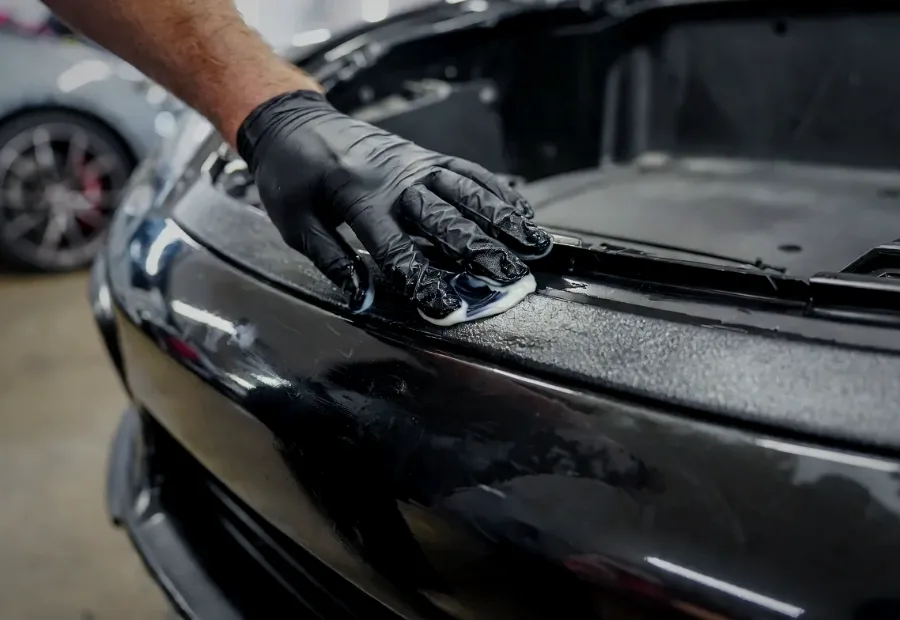
Faded gray trim beside freshly cleared headlights is the next thing anyone notices.
Learn more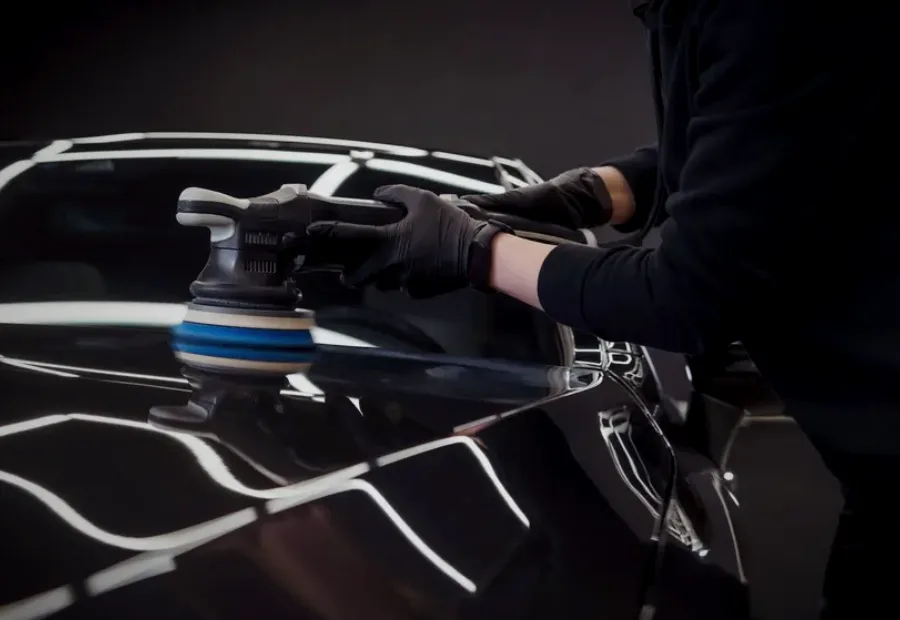
The same principle on the paint — defects removed under light rather than filled in.
Learn moreBook
How far the oxidation has gone, whether they come all the way back, and what it costs — before anything is booked.