01
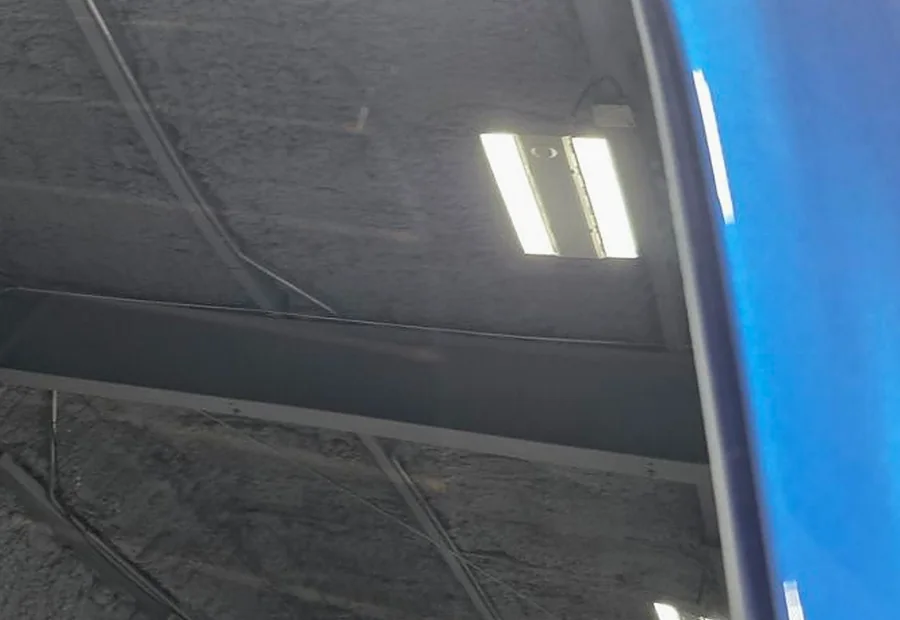
Glass Restoration
If the glass under the tint is spotted or etched, this is the moment it is easiest to fix.
Learn moreWindow Tint Removal in Jacksonville, FL
Failed tint steamed off and the adhesive fully removed, including the rear window, where the defroster grid is the one thing that cannot be replaced if it is scraped away.
What it is
Side glass is straightforward. The rear window has the defroster printed on the inside surface, and once a line is scraped through it is gone for good.
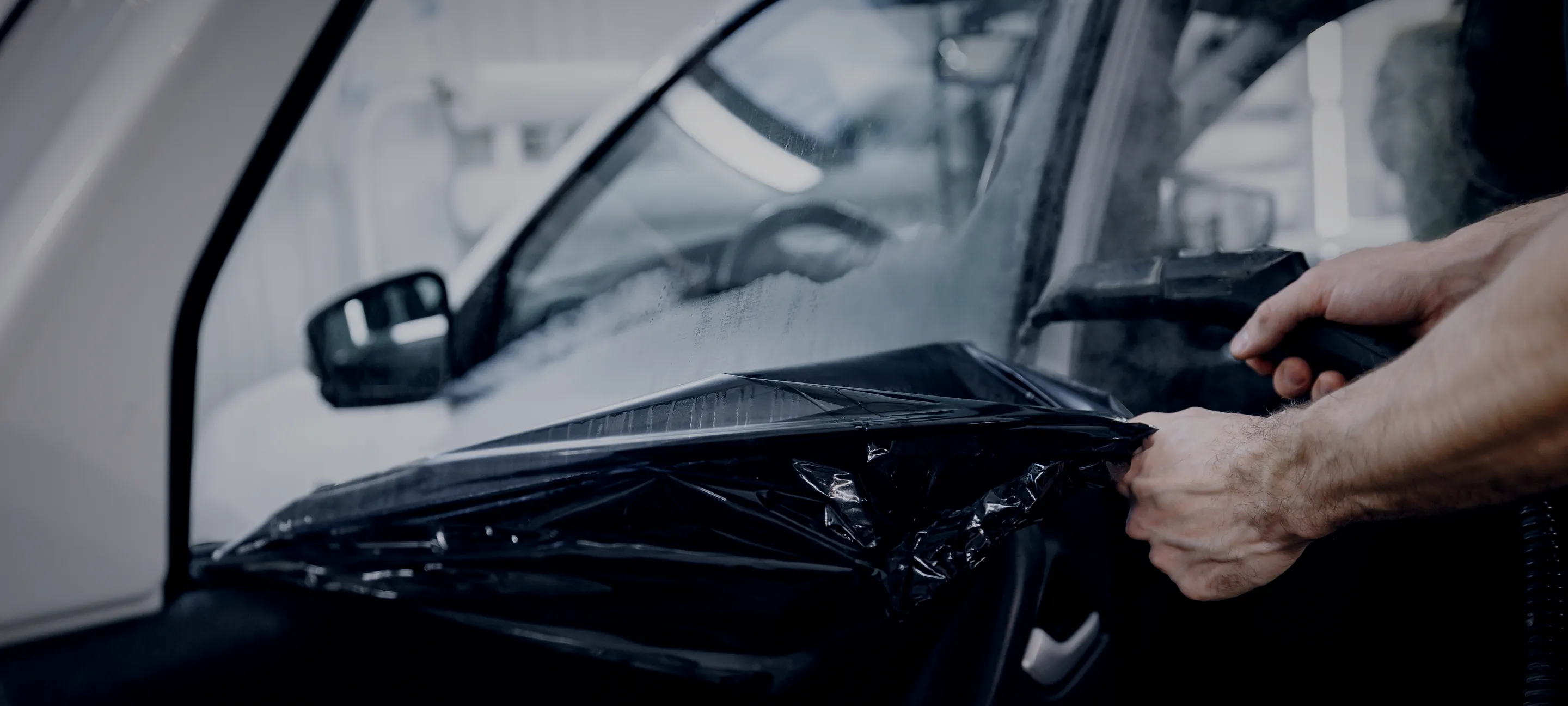
Window tint fails in a way that is hard to ignore. The dye breaks down and the film turns purple, the adhesive lets go in patches and it bubbles, and no amount of cleaning touches either because the problem is inside the film.
Taking it off the side windows is patient work and low risk. The rear window is different. The defroster is a printed conductive grid on the inside face of the glass, the same face the tint is stuck to, and it is fragile. A blade will cut through it without any resistance you would notice.
So the rear glass is done with steam and time rather than force, peeled along the lines rather than across them, and the defroster is switched on and checked before the car leaves.
Heat and moisture soften the adhesive until the film releases on its own. Nothing has to be forced, which is what keeps blades away from the glass.
Direction of peel, no scraping across the grid, and the heater tested before the car is handed back.
Tint removal in a hot car park hardens the adhesive faster than you can work. A climate-controlled bay keeps the whole window at one temperature.
Residue left on the glass hazes it and holds dirt. Every window is cleaned to bare glass and checked against the light.
Before you book
This is one of the few jobs where the DIY method genuinely works on part of the car and genuinely risks the rest of it.
I
fThe process
Purple and bubbled film is at the end of its life and behaves differently to recent film. The rear window is looked at first, because it sets the timescale.
Door cards, speakers and seals are covered. Steam and adhesive remover belong on the glass and nowhere else.
The film is heated until the adhesive releases, then lifted in one piece where it will and in sections where it will not. On the rear screen this is the whole job.
Adhesive is dissolved and removed, the glass is cleaned and checked against the light, and the defroster is switched on and confirmed working.
Questions
It is the real risk of this job and it is why the rear screen is done with steam rather than blades, and peeled along the lines rather than across them. The defroster is switched on and checked before the car goes back. If a line is already broken before we start — which happens on cars that have been done badly before — you will be told at the assessment.
No. Purple means the dye in the film has broken down, and there is nothing to restore. The film has to come off. The good news is that the glass underneath is almost always fine.
Removal is booked as its own job because the time it takes depends on what comes off. New film needs perfectly clean, dry glass, so the two are booked together and scheduled realistically rather than squeezed into one slot.
It comes off. Residue is dissolved and removed as part of the job, and every window is checked against the light before the car is finished. Leaving it is how glass ends up looking permanently dirty.
If it is bubbled or purple, yes — it looks worse than bare glass and it is affecting what you can see out of. Bear in mind bare glass gives you no heat or UV reduction at all, which in Florida is a real difference in the cabin.
Next
If the glass under the tint is spotted or etched, this is the moment it is easiest to fix.
Learn more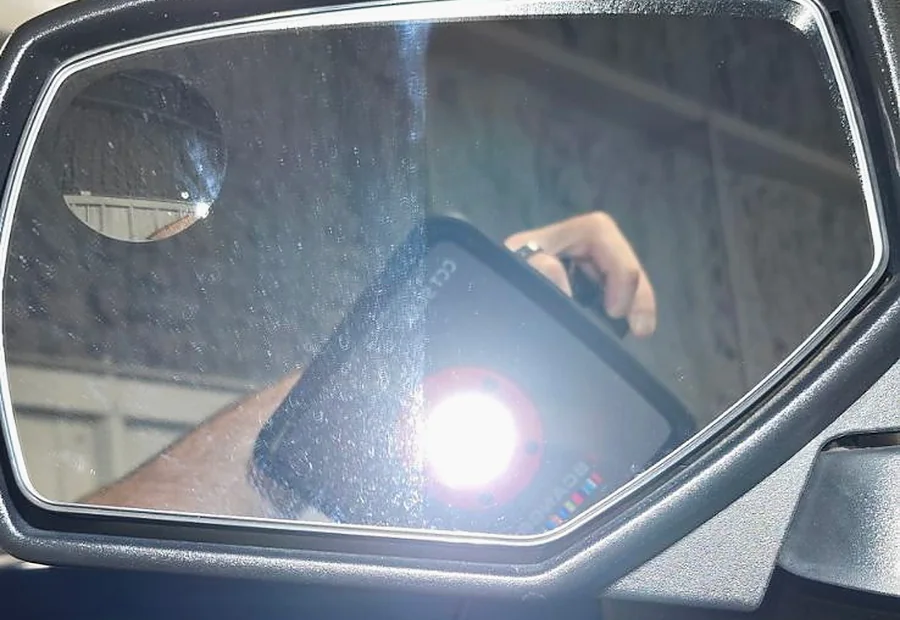
With the glass bare and perfectly clean, a hydrophobic coating goes on at its best.
Learn more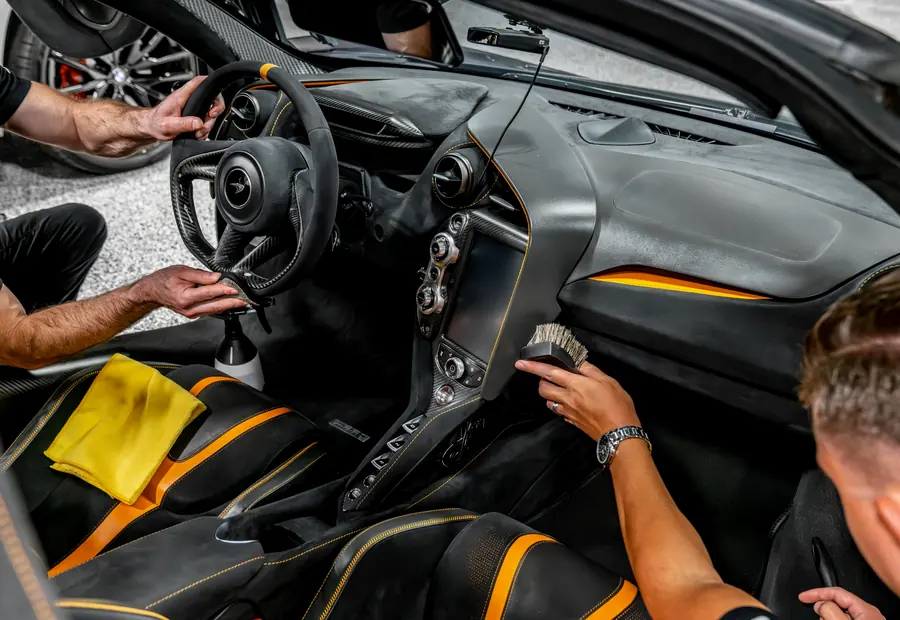
Removal is interior work. Plenty of people have the cabin done while the car is in.
Learn moreBook
That window decides the job. Everything else is straightforward.